Blog
The relationship between light and outdoor bathing

Light defines how outdoor bathing is perceived long before the body enters the water. It sets the tone of the space, guides timing, and shapes how immersion unfolds throughout the day. In an outdoor bathing environment, light remains present as a changing condition rather than a fixed setting. The ritual responds to it naturally, allowing bathing to align with time, season, and place.
Unlike enclosed interiors, outdoor bathing does not separate light from experience. Morning brightness, midday clarity, and evening softness all influence how the body settles into water. This relationship anchors bathing in a temporal rhythm, where immersion follows the movement of the day rather than an imposed schedule.
Light as a guide for daily rhythm
Light influences when bathing feels appropriate and how it fits into everyday life. As daylight changes, the ritual adjusts without requiring modification to the space itself.
Morning clarity and gentle activation
Early light supports calm entry into the day. Softer brightness allows immersion to feel gradual and unforced. The body wakes through warmth and stillness rather than stimulation. Bathing in the morning aligns the ritual with the start of daily rhythm, allowing awareness to settle before activity begins.
Late afternoon openness
As light extends later in the day, bathing often shifts toward late afternoon. Brighter conditions support longer immersion without urgency. The ritual becomes a pause that bridges activity and rest, guided by the slow decline of daylight rather than by timekeeping.

Seasonal light shaping perception
Seasonal changes alter how light behaves around the bathing environment. These variations influence atmosphere and attention without disrupting the ritual.
Extended light in warmer months
During longer days, light remains present well into the evening. Immersion under extended daylight feels open and expansive. The water reflects brightness without glare, and the surrounding space remains active. Bathing integrates easily into the day, supported by continuity between light and temperature.
Reduced light in colder seasons
Shorter days bring earlier transitions into lower light. Bathing moves toward dusk or early evening, where softer conditions encourage stillness. Reduced brightness slows perception and supports longer moments of rest. The ritual adapts by becoming quieter and more inward without changing its structure.
Orientation and spatial reading
The way a bathing space is oriented influences how light enters and moves through it. This relationship shapes comfort and perception throughout immersion.
Following the path of the sun
Orientation determines how light interacts with water and surrounding surfaces. Morning sun warms one side of the space. Afternoon light shifts reflection and shadow. These movements create a dynamic environment that remains legible and calm. The ritual follows these changes naturally, responding to light rather than resisting it.
Shadow as a balancing element
Shaded areas play an important role in outdoor bathing. They soften brightness and provide visual rest. Shadow allows the body to remain comfortable during extended immersion and supports balance between exposure and protection. The presence of both light and shadow keeps perception stable.

Artificial light as a quiet support
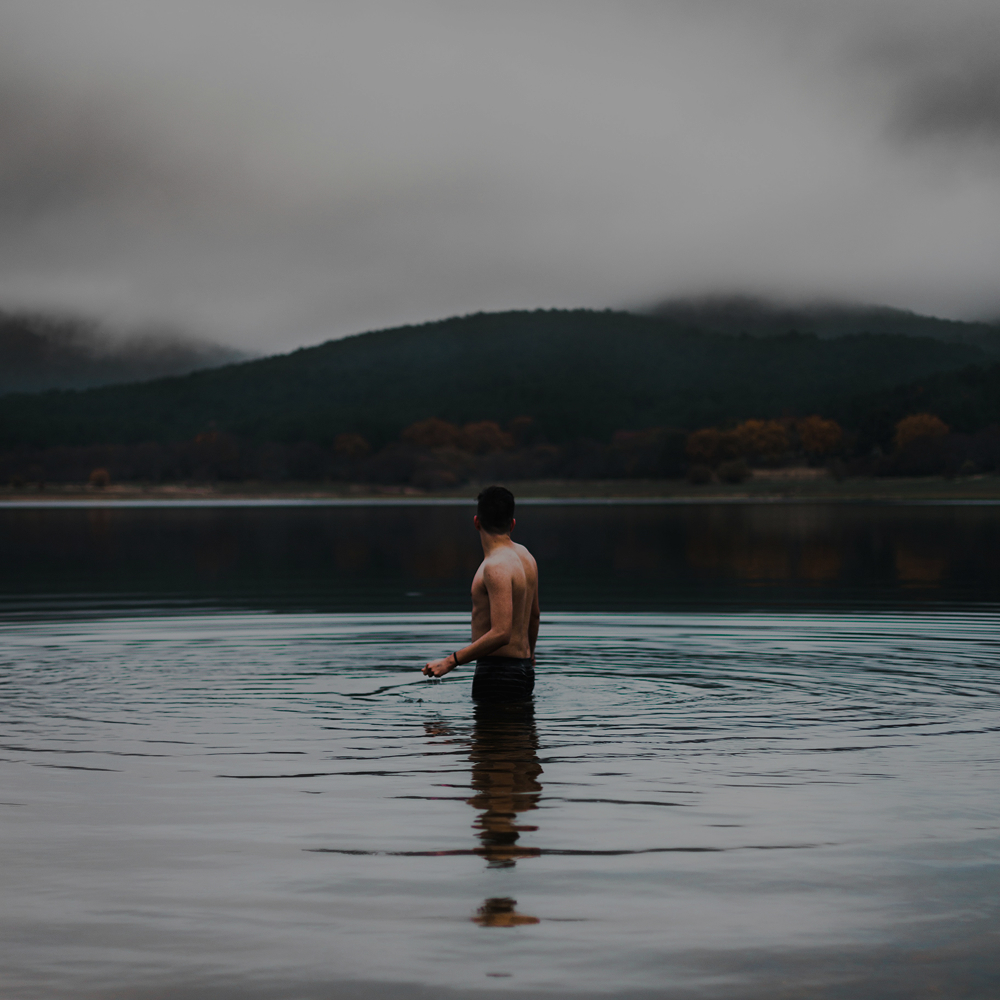
When daylight fades, artificial light extends the ritual without replacing natural rhythm. Its role remains supportive rather than dominant.
Maintaining continuity after dusk
Subtle artificial light allows bathing to continue as natural light decreases. It preserves visibility without altering atmosphere. The ritual remains connected to the environment because light stays restrained and focused on orientation rather than effect.
Avoiding visual interruption
Artificial light supports comfort when it remains consistent and unobtrusive. Even illumination prevents distraction. The bathing space stays legible, allowing attention to remain with the water and the body rather than with the source of light itself.
Light as part of the ritual
Light shapes how outdoor bathing is experienced because it links immersion to time and environment. It guides when bathing happens, how long it lasts, and how it is remembered. The ritual adapts as light shifts, remaining grounded in daily and seasonal rhythm.
By designing bathing environments that respond to natural and artificial light with restraint, outdoor bathing becomes anchored in place and time. Immersion follows the movement of the day, allowing the ritual to remain present, legible, and connected to its surroundings.
Explore the Nordsprings bathing environments designed to support immersion through light, orientation, and natural rhythm.