Blog
Reclaiming outdoor space: tubs as everyday sanctuaries
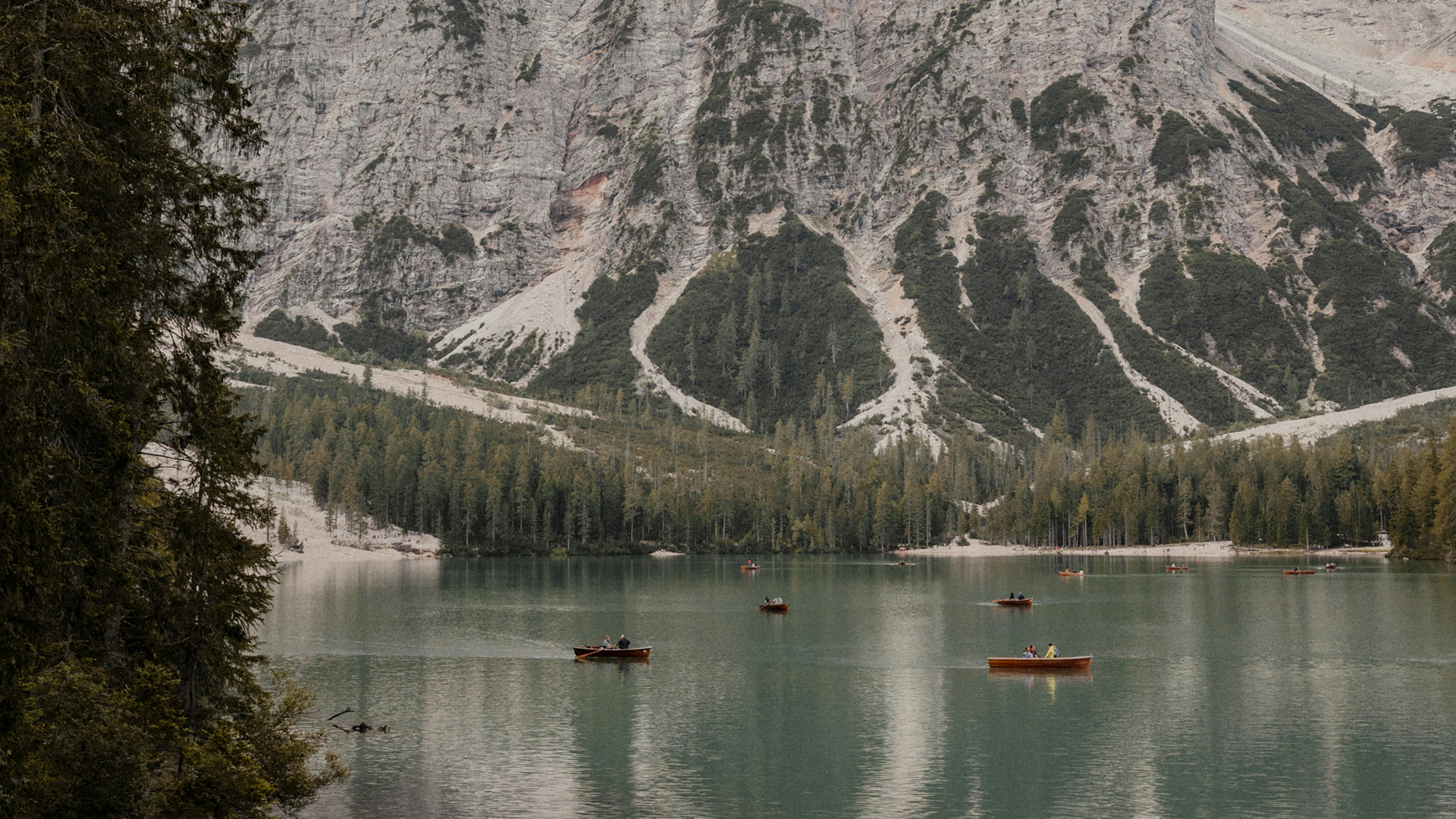
Outdoor space gains meaning when it becomes a place of rhythm and attention. A Nordsprings tub defines that change by turning unused corners into living environments shaped by water, light, and material. The surface of the tub reflects the movement of the sky, the wood absorbs the temperature of the air, and the body settles into a space that belongs equally to nature and to design. Through repetition, the place develops continuity and presence. The act of bathing extends beyond comfort and becomes a quiet way of inhabiting the outdoors with clarity and care.
The quiet transformation of place
The presence of water reshapes the perception of outdoor space. Once a passage or a view, the exterior becomes a center of life defined by calm activity. The tub provides scale and rhythm, giving the surrounding air and light a form to organize around. The surface of the water mirrors each variation in the atmosphere and each hour of the day, allowing the landscape to unfold at a human pace. Through this integration, the tub connects environment and intention, turning natural space into an experience of still architecture that evolves gently with use and time.
Light as the measure of atmosphere
Every outdoor setting acquires depth through the way light moves within it. Morning brings brightness that touches the surface of the water, afternoon softens the reflections, and evening settles into quiet warmth. A simple placement of soft illumination continues this rhythm into night, creating an environment that supports stillness without separation from the landscape. Candles, lanterns, or recessed lighting preserve the intimacy of darkness while giving shape to space. Light becomes both function and memory, marking the transition between hours and seasons through its reflection on wood, metal, and water.
Elements that define continuity
The strength of an outdoor sanctuary lies in the connection between its elements. The wood of the tub carries the same natural tone as the surrounding earth, the steel bands hold the line of the horizon, and the presence of water binds all components into one atmosphere. A nearby fire, a stone surface, or a single tree enhances this equilibrium, extending the rhythm of design into the landscape. Each addition finds its role through restraint and purpose. With time, the balance grows instinctive, allowing the entire space to exist as a single, continuous gesture of presence.
Design that anchors the environment
A Nordsprings tub defines its surroundings without dominating them. Its form introduces structure where there was none, yet it does so through calm proportion and precision. The hemlock surface blends with the tones of natural materials, the brushed steel reflects sky and air, and the water forms a living center that changes throughout the day. The geometry of the tub encourages alignment between environment and user, shaping posture and movement within space. Through this balance, design becomes a quiet framework for presence, creating not separation from nature but a more complete immersion within it.
Material as architecture
The materials chosen for the tub carry within them the logic of permanence and adaptation. Wood adjusts gently to air and temperature, metal holds reflection without distortion, and water moves with quiet constancy. Together they form an architecture that breathes with its surroundings. Each season alters the atmosphere, yet the structure remains consistent, offering the same tactile balance between warmth and stillness. The more time passes, the more the materials acquire tone and depth, becoming not a contrast to nature but its direct extension through form, weight, and surface.
The landscape as companion
The integration of design into outdoor space depends on its capacity to respond to the environment. A tub placed near vegetation reflects movement in the leaves, while one positioned beside stone absorbs the texture of shadow. Water mirrors clouds and air, creating a dialogue between structure and setting. Each placement carries its own sound and scent, from the slow crackle of fire to the faint aroma of wood warmed by the sun. The relationship between design and nature becomes less about contrast and more about exchange, where the landscape itself completes the architecture.
The sanctuary of daily presence
The transformation of an outdoor space does not rely on scale but on rhythm. Each use of the tub repeats the same gestures, the movement of water, the adjustment of air, the settling of light, until familiarity becomes serenity. The exterior becomes not a background but a living extension of the home, a space that holds the same depth as interior architecture yet remains open to the elements. Over time, the repetition of immersion creates memory and connection. The tub becomes a point of return, a structure that organizes perception, grounding life through material, temperature, and time.
Explore the Nordsprings collection and experience how water, light, and design transform outdoor space into a sanctuary of rhythm and calm presence.