Blog
Designing bathing rituals that adapt to changing seasons
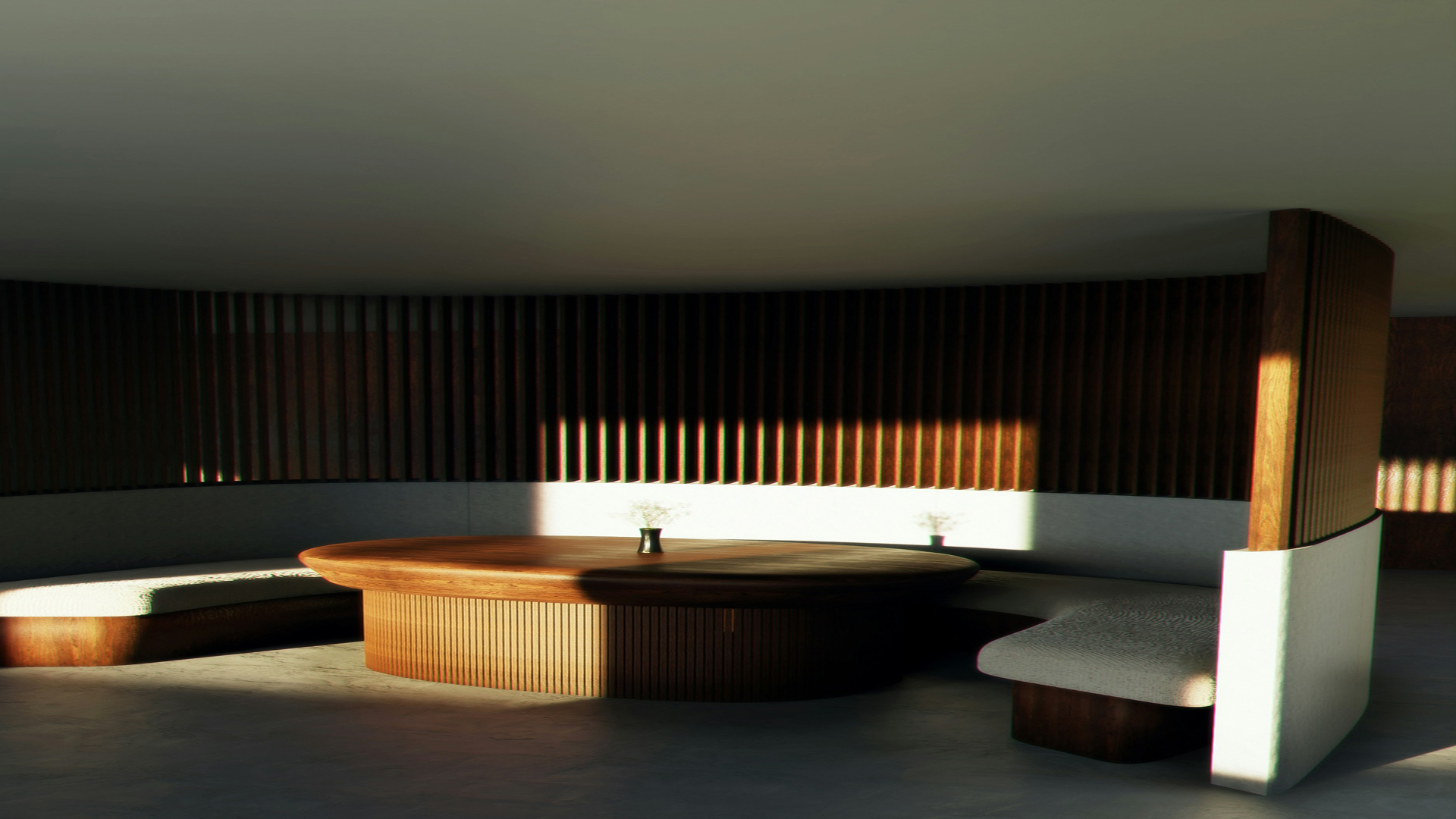
A bathing ritual becomes durable when it adjusts to the seasons rather than resetting with them. Light shifts, air temperature changes, and daily rhythm evolves, yet the same bathing space continues to support immersion without losing its role in everyday life. An outdoor bathing environment allows the ritual to remain consistent while the conditions around it change, creating continuity through use rather than dependence on a single season.
Seasonal adaptation does not require redesign or reinvention. It relies on how the ritual responds to real conditions. Frequency changes. Immersion length adjusts. Water temperature shifts. Light guides timing. Through these variations, bathing remains grounded in daily practice and becomes a credible year-round habit rather than a seasonal indulgence.
A ritual that evolves with the year
As seasons move, the bathing ritual changes in pace and tone while the space itself remains stable. This balance allows the ritual to absorb variation without losing structure. The environment becomes a constant reference point as nature shifts around it, supporting immersion that feels familiar across different moments of the year.
Adapting frequency through daily rhythm
Bathing frequency naturally adjusts with the seasons. Longer days encourage more flexible immersion, often woven into different moments of the day. Shorter days tend to concentrate bathing into mornings or evenings, where it anchors the rhythm of the day. These shifts happen without planning. You respond to light, temperature, and energy levels rather than following a fixed routine.
This adaptability keeps bathing integrated into daily life. The ritual remains present because it follows real conditions instead of imposing a schedule.
Adjusting immersion length through comfort
The duration of immersion evolves with the environment. Warmer air often supports longer sessions where the body remains at ease without urgency. Cooler air shortens immersion while maintaining its effect, allowing stillness to remain present even in brief moments. You leave the water when comfort shifts, not when time dictates.
This responsiveness keeps the ritual aligned with the body. Short and long immersions both serve a purpose, reinforcing continuity rather than repetition.
Temperature as a seasonal guide
Water temperature plays a central role in how bathing adapts across the year. Rather than remaining fixed, temperature responds to the surrounding climate, supporting immersion that feels appropriate to the moment.
Cooling and contrast in warmer months
During warmer seasons, cooler water provides contrast and balance. Immersion helps release accumulated heat and restore equilibrium after long days. The ritual becomes a way to reset without forcing stillness, allowing the body to respond naturally to changing conditions.
Warmth and depth in colder periods
In colder months, warmer water supports longer and more enveloping immersion. The contrast between cool air and warmth deepens attention and slows movement. Bathing becomes a grounding pause that stabilizes rhythm during shorter days and reduced light.
Across transitional seasons, temperature shifts gradually. This flexibility allows the ritual to remain sensitive rather than rigid, maintaining relevance throughout the year.

Light and timing across the seasons
Natural light quietly shapes when bathing feels most appropriate. As daylight expands or contracts, the ritual follows without needing adjustment to the space itself.
Following daylight instead of schedules
In summer, early mornings and late afternoons invite immersion under extended light. In winter, bathing often moves toward dusk or evening, when softer light encourages stillness. Rather than scheduling immersion, you respond to daylight as it changes, allowing the ritual to align with the flow of the day.
This approach strengthens the connection between bathing and daily life, grounding the ritual in natural timing.
Seasonal atmosphere and perception
Light influences how water, air, and surrounding materials are perceived. Each season brings a distinct atmosphere that alters mood and attention without disrupting the ritual itself. The same space feels different while remaining familiar, keeping the experience perceptible through repetition.

A ritual designed for year-round use
A bathing ritual designed to adapt across seasons supports long-term use because it responds to real conditions rather than ideal moments. It does not rely on peak weather or novelty. Instead, it adjusts through frequency, duration, temperature, and timing.
Through this adaptability, bathing becomes a stable presence in daily life. The ritual grows with the year, remaining grounded and credible across changing conditions. Rather than marking the seasons, it accompanies them, allowing immersion to remain part of everyday rhythm throughout the year.
Explore the Nordsprings bathing environments designed to support consistent immersion across every season.